

Price


Categories
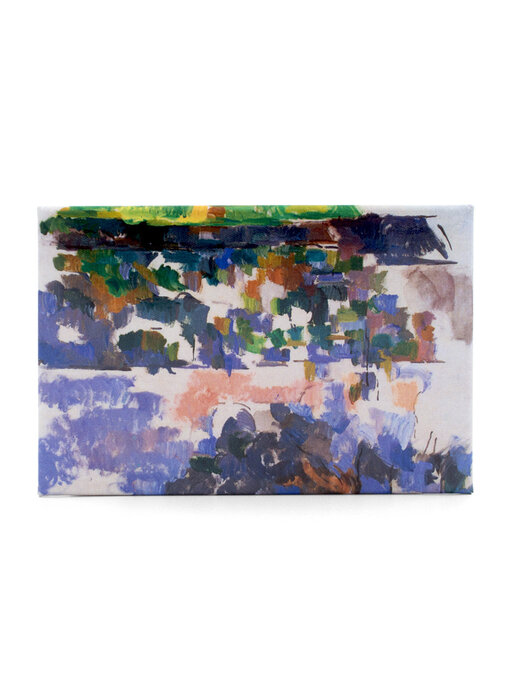
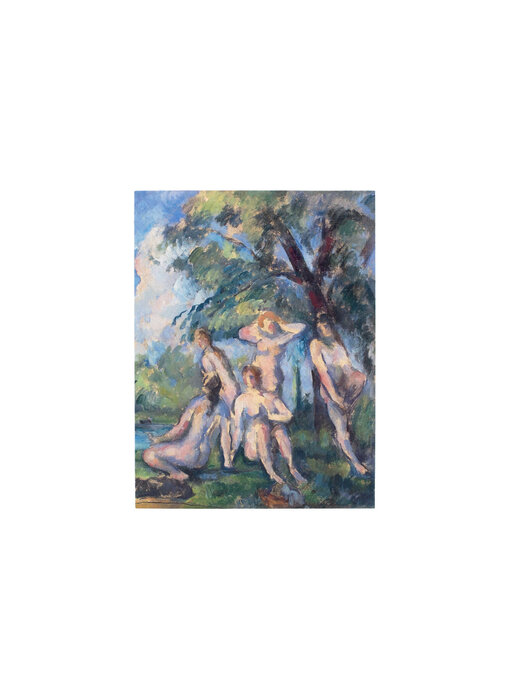
This fridge magnet sticks to your fridge, whiteboard and any other surface that contains iron.
The size is 180 x 240 x 5 mm. The cover is flexible, making the book easy to use. The cover has a linen structure, which gives the notebook a nice look and feels nice.
The reproduction on this notebo

Closeable with elastic.
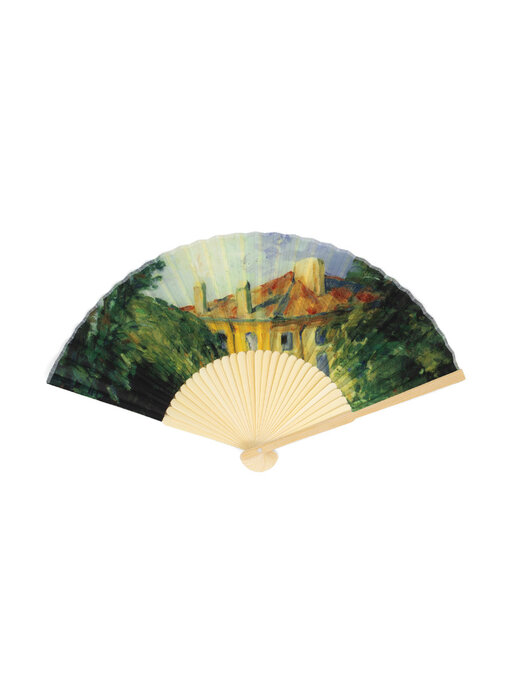
The fan is made of durable bamboo, with a print on fabric.
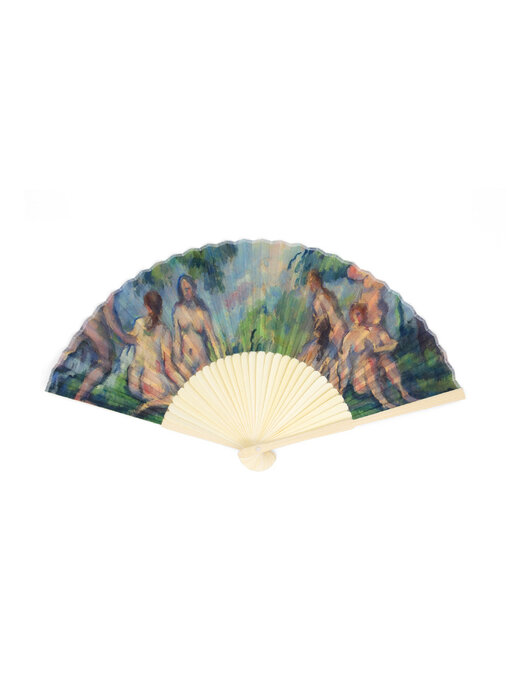
The fan is made of durable bamboo, with a print on fabric.
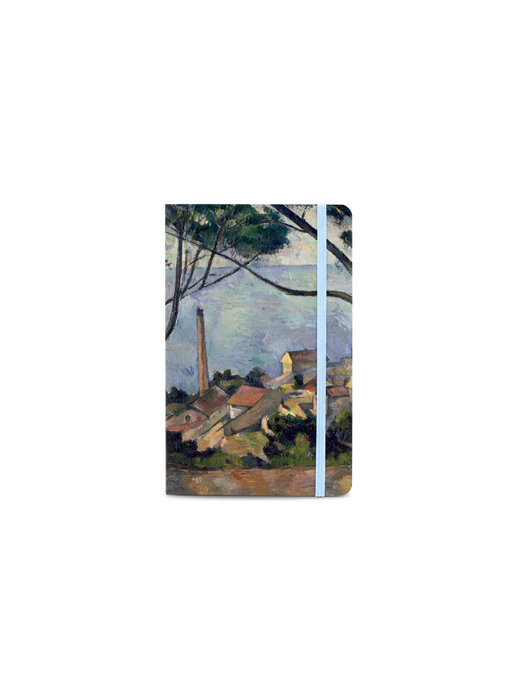
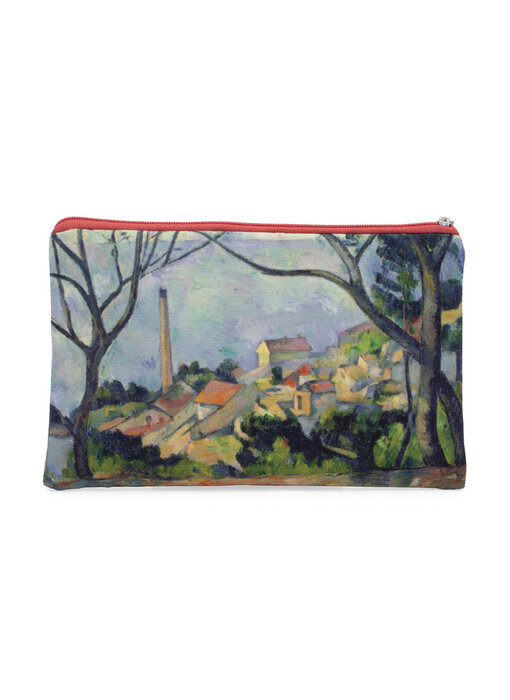
Featuring a reproduction of Paul Cezanne's famous work, The sea at l'Estaque behind the trees
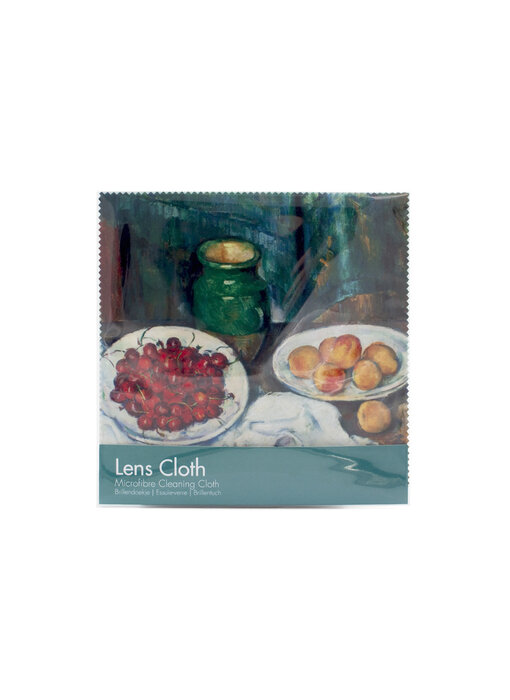
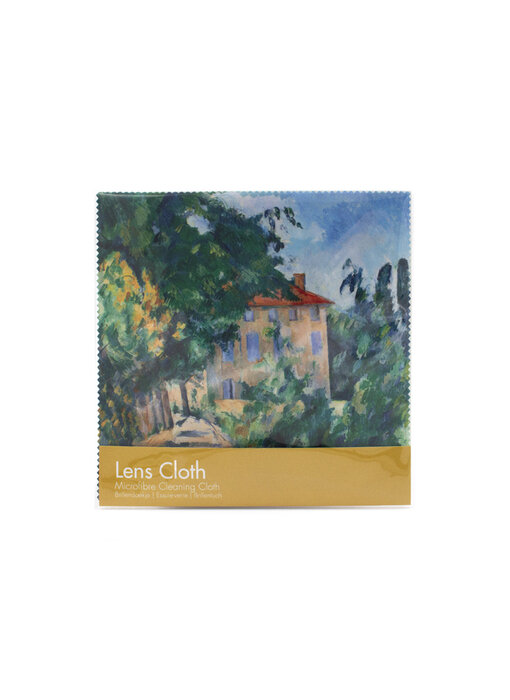
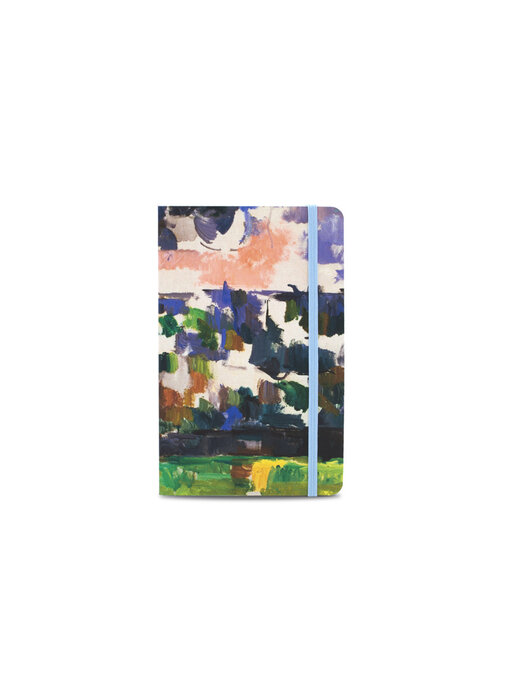
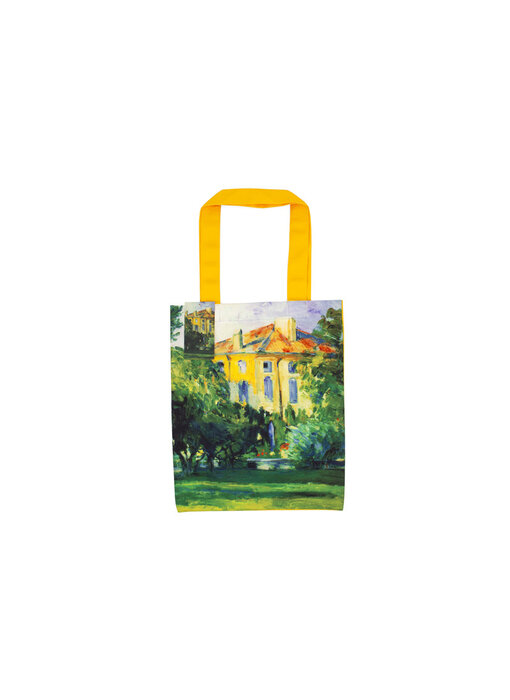
Featuring a reproduction of Paul Cezanne's famous work, The Garden at Les Lauves
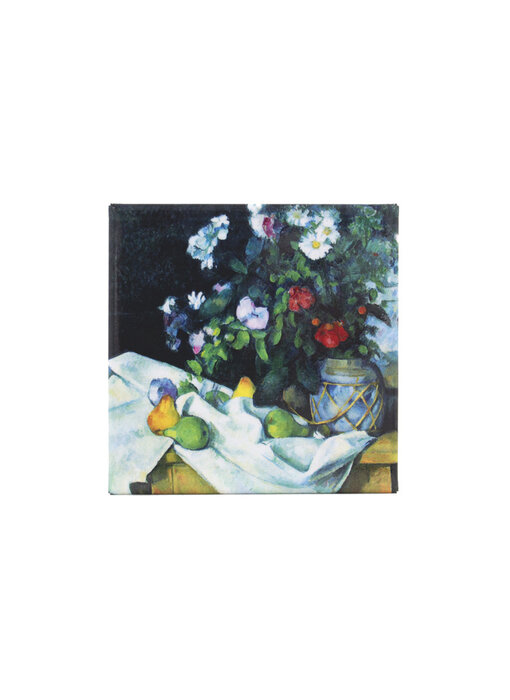
This fridge magnet sticks to your fridge, whiteboard and any other surface that contains iron.
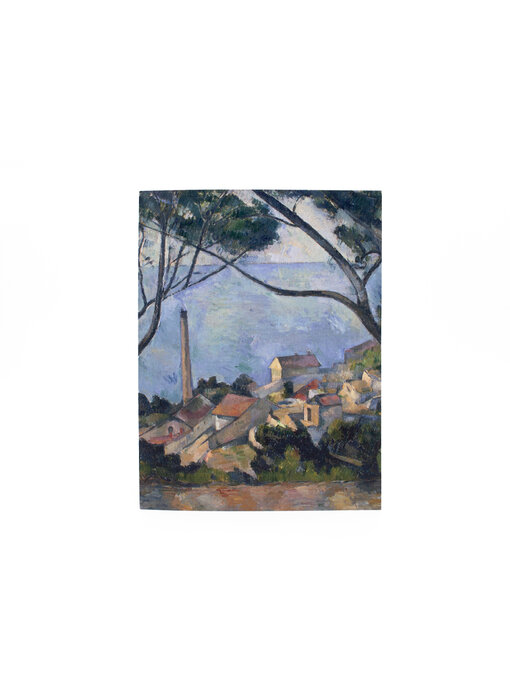
The size is 180 x 240 x 5 mm. The cover is flexible, making the book easy to use. The cover has a linen structure, which gives the notebook a nice look and feels nice.
The reproduction on this note
Paul Cézanne was born in Aix-en-Provence in 1839. Cézanne's art belongs to Post-Impressionism, an art movement that followed Impressionism.
In Cézanne's work, light and color play a prominent role. However, his use of color distinguishes him from pure Impressionists and shows hints of Expressionism. Cézanne often combines warm and cool colors in his compositions. Moreover, his sometimes angular forms exhibit elements that some associate with Cubism. Unlike his contemporaries, the Impressionists, Cézanne uses more massive and brighter colors.
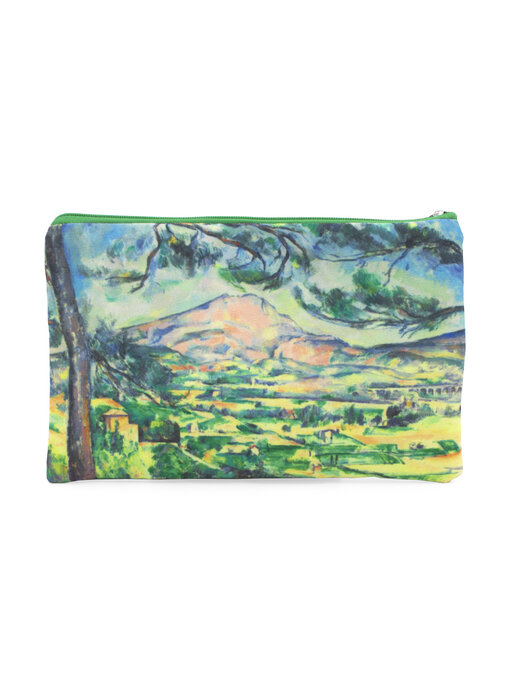
The Mont Sainte-Victoire
Mont Sainte-Victoire was an inexhaustible source of inspiration for Cézanne and appears frequently in his work. He painted about 40 canvases and made 45 watercolors featuring this motif. The mountain, located in southern France near Aix-en-Provence, was close to his home and inspired several artists.
The series of paintings of Mont Sainte-Victoire was crucial in the transition from Impressionism to more Cubist works. In these paintings, Cézanne abandons classical perspective and creates depth through color contrasts. Bright colors are often placed in the foreground, while more muted colors recede to the background, creating the same sense of depth.
Cézanne's work became a model for major 20th-century artists such as Picasso and Mondrian.
